Left-hand traffic, low speed limits, the triangular stop sign and near-zero tolerance on alcohol. What differs most from European roads.
Driving in Japan as a foreigner is an unforgettable experience, unlocking the freedom to explore remote hot springs, breathtaking coastal roads, and hidden mountain villages that trains simply cannot reach. However, behind the pristine roads and polite drivers lies a highly regulated, unique traffic system. Many foreign drivers assume that holding an International Driving Permit (IDP) or a translated license is the only requirement, only to be surprised by unfamiliar rules, unique road signs, and strict enforcement.
Whether you are renting a campervan to tour Hokkaido or navigating the busy streets of Tokyo, understanding Japanese traffic rules is non-negotiable. This ultimate guide will walk you through everything you need to know about driving safely in Japan, including the golden rules, deciphering traffic signs, interacting with pedestrians and cyclists, and what to do in emergencies.
1. The Golden Rules: Top Traffic Laws You Must Know
Before you even turn the ignition, you must internalize these foundational rules of the Japanese road. Ignorance of the law is not an excuse, and Japanese police strictly enforce traffic regulations.
Drive on the Left
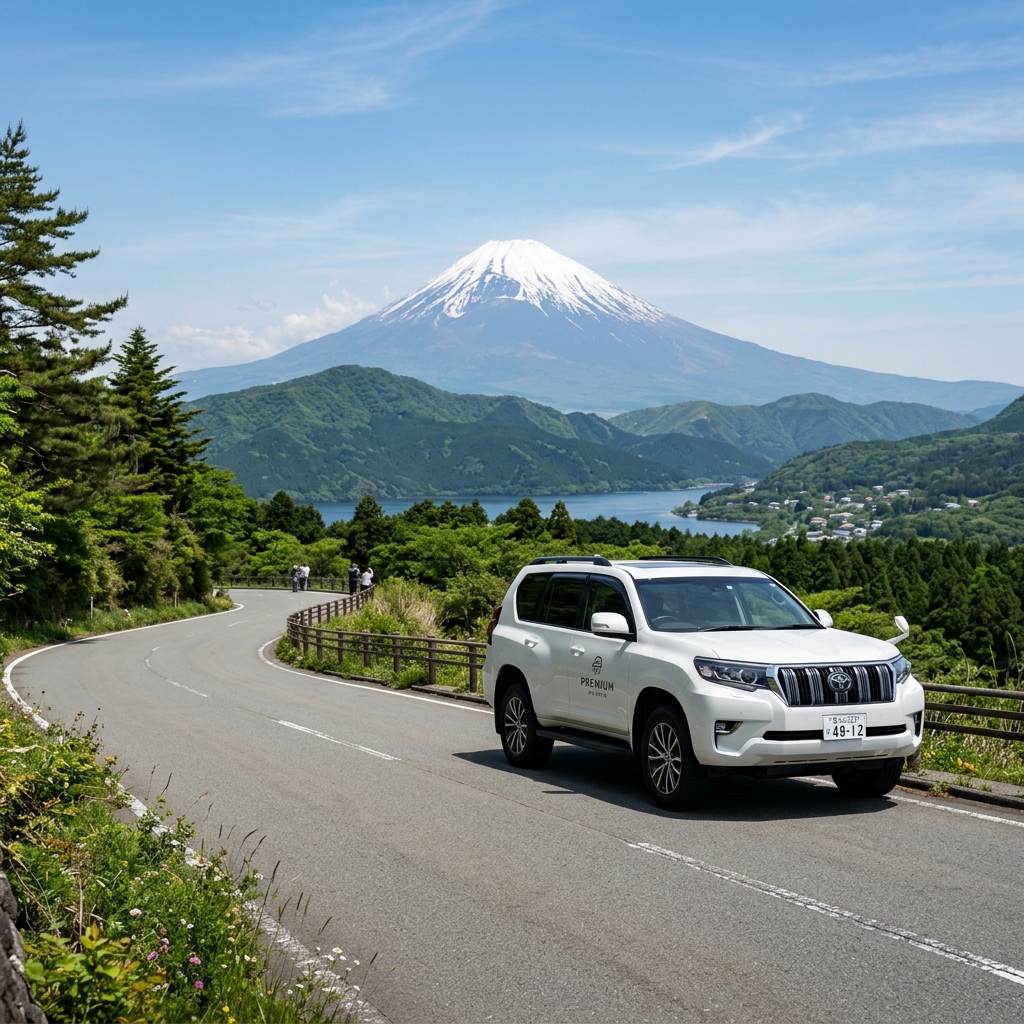
In Japan, vehicles drive on the left side of the road, and the steering wheel is on the right side of the car. This means you will use your left hand to shift gears (if driving a manual) and your right hand for the turn signal. It takes a little practice to avoid turning on the windshield wipers instead of the blinker! Always remember: keep left, pass on the right.
Strict Zero-Tolerance for Drunk Driving
Japan has one of the strictest drunk driving laws in the world. The legal blood alcohol concentration (BAC) limit is
0.03%, but functionally, it is zero-tolerance. If you have had even a single sip of beer, you cannot drive. Penalties are incredibly severe, including immediate arrest, massive fines (up to 1,000,000 JPY), imprisonment, and deportation. Passengers riding with a drunk driver, and even the establishment that served the alcohol, can also be prosecuted.
Mandatory Stop at Railroad Crossings
This is a rule that surprises many foreigners. In Japan, you
must come to a complete stop before every railroad crossing, look both ways, and listen for approaching trains, even if the crossing gates are open and the lights are off. Failure to do so is a common reason for foreigners getting ticketed.
No Left Turn on Red (Unless Permitted)
Unlike some countries (such as parts of the US) where you can turn right on a red light, in Japan,
you cannot turn left on a red light unless there is a specific green arrow signal indicating you may do so, or a specific sign explicitly allowing it. A red light means a complete stop for all directions.
Seatbelts for All Passengers
All passengers, regardless of whether they are in the front or rear seats, must wear seatbelts at all times. If you are traveling with children under the age of six, you are legally required to use an appropriate child safety seat.
Speed Limits
Speed limits in Japan are generally lower than in many Western countries:
- Urban and residential areas: 30 to 40 km/h
- Open roads and countryside: 50 to 60 km/h
- Expressways (Toll roads): 80 to 100 km/h (some sections may be up to 120 km/h, but always follow the signs).
Speed cameras (Orbis) are common on expressways, and unmarked police cars patrol frequently.
2. Understanding Unique Japanese Traffic Signs
While many international signs are standardized, Japan has several unique signs that you must instantly recognize.
The STOP Sign (止まれ - Tomare)
This is arguably the most critical difference.
The Japanese STOP sign is NOT an octagon. It is a solid red inverted triangle with the white text "止まれ" (Tomare) written in Japanese, and sometimes "STOP" in English underneath. You must come to a complete halt at the stop line before proceeding.
No Entry / Do Not Enter
This sign is a solid red circle with a horizontal white bar across the middle. You will often see this on one-way streets.
No Parking or Stopping
A blue circle with a red border and a single red diagonal line means "No Parking". A blue circle with a red border and a red "X" across it means "No Stopping or Parking". Japan strictly enforces parking rules, and illegally parked cars are quickly ticketed or towed.
One Way
A blue square with a white arrow indicates a one-way street. These are extremely common in older Japanese cities like Kyoto and Tokyo, where streets are very narrow.
3. Navigating with Others: Pedestrians, Bicycles, and Parking
Driving in Japan isn't just about other cars; it involves interacting with a dense population of pedestrians and cyclists.
Pedestrians Have Absolute Priority
In Japan, pedestrians have the absolute right of way. If a pedestrian is waiting at a crosswalk without a traffic light,
you must stop and let them cross. Never try to edge past them or rush through.
The Unpredictability of Bicycles
Japan is a cycling nation. From mothers carrying groceries to businessmen commuting, bicycles are everywhere. While they are legally supposed to ride on the road, many ride on the sidewalks and weave in and out of traffic. Always leave plenty of space when passing a cyclist, and check your blind spots carefully before turning left, as cyclists often ride along the left edge of the road.
Parking Etiquette: The "Back-In" Culture
When you go to a supermarket, convenience store, or hotel, you will notice something specific: almost 100% of Japanese drivers reverse (back in) into parking spaces. This is considered the safer and more polite way to park, as it makes exiting the space much easier and safer, especially in tight lots. It is highly recommended that you practice backing into spaces to match local etiquette.
4. Risk Prediction & Emergency Preparedness
Natural disasters and extreme weather are a reality in Japan. Knowing what to do in these situations is critical for your safety.
Earthquakes While Driving
If a major earthquake strikes while you are driving, do not panic. Avoid slamming on the brakes. Gently slow down, pull over to the left side of the road, and stop. Turn on your hazard lights. Listen to the radio for emergency broadcasts. If you need to evacuate the vehicle and leave it on the road,
leave the keys in the ignition and the doors unlocked. This allows emergency services to move your vehicle if it is blocking rescue operations.
Snow and Icy Roads
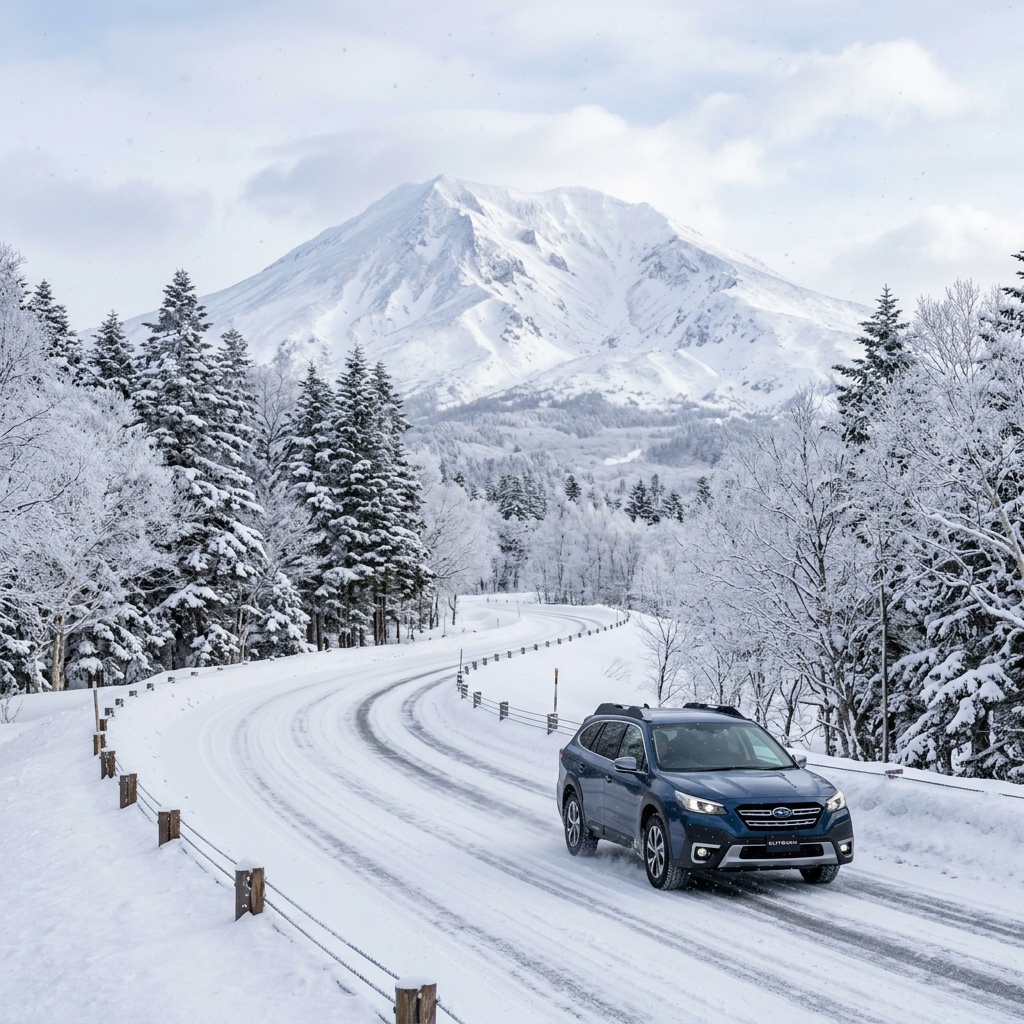
If you are driving in Hokkaido, Tohoku, or the Japanese Alps during winter, snow tires (studless tires) are mandatory. Black ice is common on bridges and tunnel exits. Always rent a 4WD vehicle if you plan to venture into heavy snow areas, keep a safe distance from the car in front of you, and avoid sudden braking or sharp steering.
Floods and Typhoons
During typhoon season (August to October), torrential rain can cause flash floods. Never attempt to drive through flooded underpasses or roads. Even a shallow amount of water can cause your vehicle to stall or be swept away.
Accidents and Breakdowns
If you get into an accident, no matter how minor,
you must call the police (Dial 110). Do not try to settle it privately. If someone is injured,
call an ambulance (Dial 119) immediately. If your car breaks down, pull over safely, use a reflective warning triangle (usually in the trunk), and call your rental company or JAF (Japan Automobile Federation) for roadside assistance.
5. Legal Requirements: What You Need to Drive
To legally drive in Japan, your home country driver's license alone is
never enough. You must prepare the correct documentation before you arrive.
The 1949 Geneva Convention IDP
If your home country is a signatory to the 1949 Geneva Convention on Road Traffic (e.g., USA, Australia, UK, Canada), you must obtain an International Driving Permit (IDP) from your home country before traveling to Japan.
The Official Japanese Translation (Crucial for Specific Countries)
If your license was issued in
Switzerland, Germany, France, Taiwan, Belgium, or Monaco, an IDP is not valid. Instead, Japan requires you to carry your original license along with an
official Japanese translation.
Do not let this bureaucratic hurdle ruin your trip. You can apply for this official translation online before you even arrive in Japan.
Need your license translated?
JDLTC (Japan Driving License Translation Center) applies to JAF for official translations on behalf of drivers from Switzerland, Germany, France, Taiwan, Belgium, and Monaco. Apply entirely online and book your car with the PDF before you fly; you then drive with JAF's paper original, which is delivered to your hotel or rental counter in Japan from the day after the translation is ready (+€10 / CHF 10 / NT$350).
6. Conclusion
Driving in Japan is incredibly rewarding, offering a window into the country that most tourists never see. By understanding the unique traffic signs, respecting the strict zero-tolerance laws, and driving defensively around pedestrians and cyclists, you will ensure a safe and enjoyable journey. Drive safe, follow the rules, and enjoy the beautiful roads of Japan!
🚐 Rent a campervan in Kyushu →