The Kyoto Grid and Narrow Streets
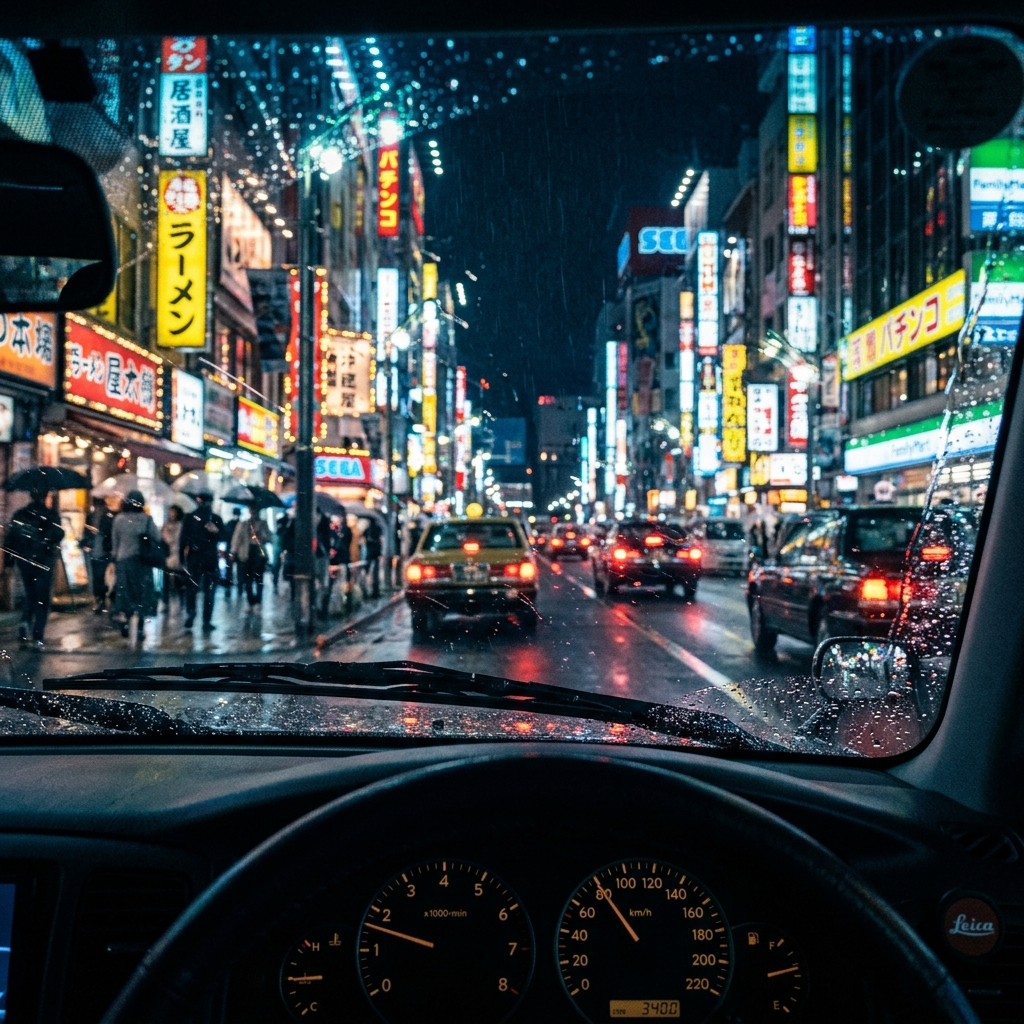
Kyoto is an ancient city laid out on a grid system dating back over a thousand years. While this makes it easy to understand geographically, it makes it a nightmare to navigate by car. Most side streets are incredibly narrow—often essentially one-lane alleys that carry two-way traffic, pedestrians, and hundreds of bicycles.
The Bus Problem
Kyoto does not have an extensive subway system like Tokyo; instead, it relies heavily on city buses. The main roads (like Shijo-dori and Kawaramachi-dori) are constantly choked with massive public buses stopping every few hundred meters. Driving behind them is a test of patience, and aggressively changing lanes to pass them is dangerous due to swerving taxis.
Temple and Shrine Parking
Many tourists think renting a car will make temple-hopping easier. In reality, famous sites like Kiyomizu-dera, Fushimi Inari, and Arashiyama have very limited, highly expensive parking that fills up before 9:00 AM. You will spend more time circling for a parking spot than you will looking at the temples.
The Danger of Bicycles
Kyoto is Japan's bicycle capital. Locals and tourists alike use bicycles to navigate the flat city. As a driver, you must be hyper-vigilant. Bicycles often weave between cars, run red lights, and ride on the wrong side of the narrow streets. In the event of an accident between a car and a bicycle, Japanese law almost always places the heavy burden of responsibility on the car driver.
The Verdict
Do not rent a car to explore Kyoto city. Use the bus, rent an e-bike, or take taxis between major sites. Only rent a car if you are leaving Kyoto to explore the rural, northern coastal areas like Ine (The Venice of Japan) or Amanohashidate.