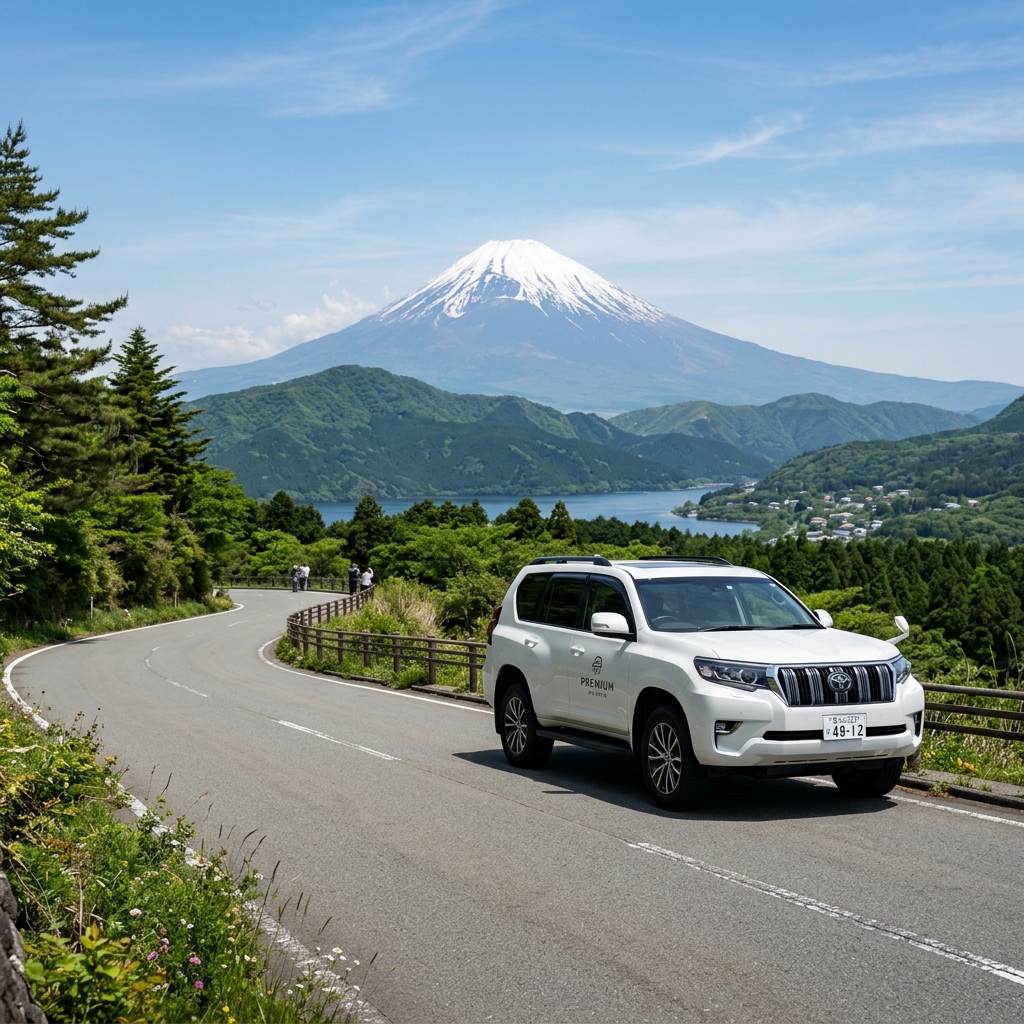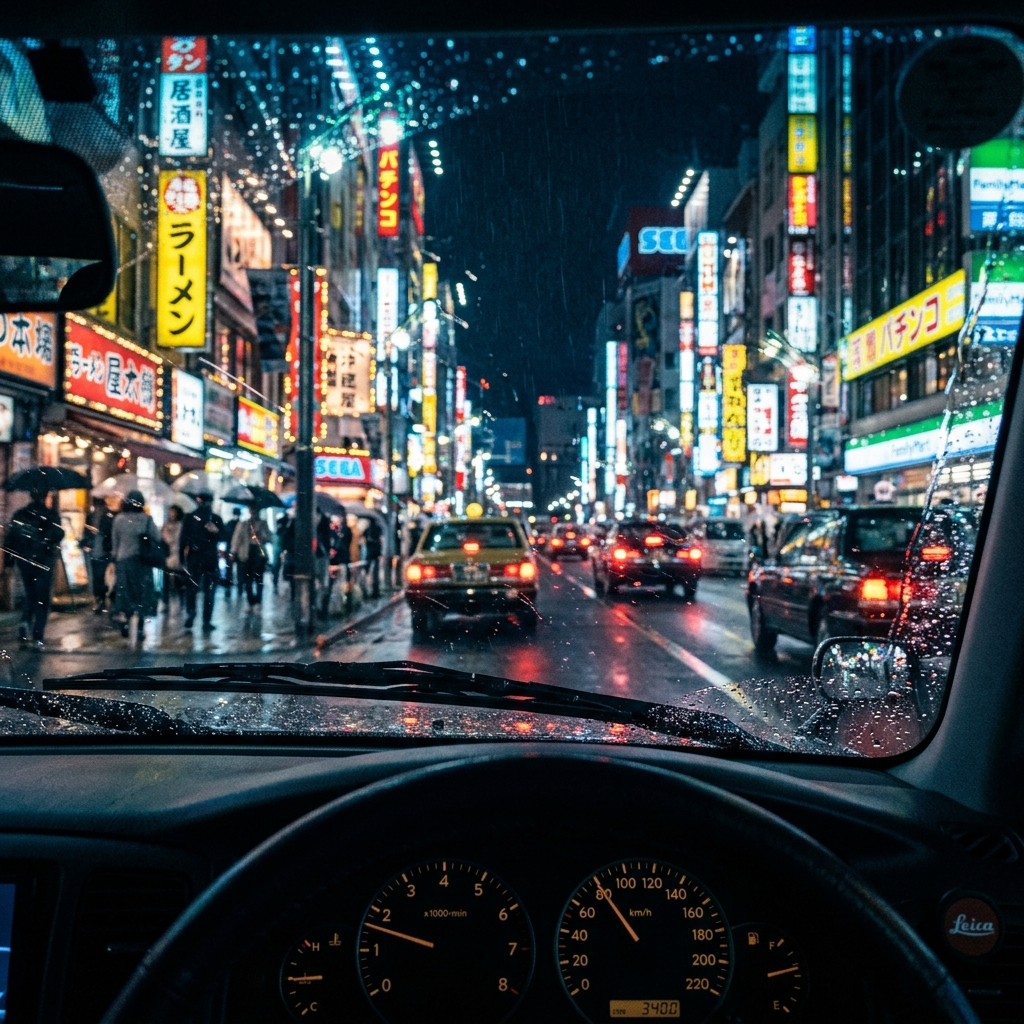
Taking a train to the Fuji Five Lakes (Kawaguchiko) area is possible, but relies on crowded buses to get to the best viewpoints. Renting a car in Tokyo and driving to Mount Fuji is widely considered the ultimate day trip, offering unparalleled freedom to explore hidden shrines, avoid the massive tourist crowds, and capture the perfect photograph at your own pace.
However, the journey from the dense urban jungle of Shinjuku to the high-altitude winding roads of the Fuji Subaru Line requires careful planning. From navigating the Chuo Expressway to understanding winter road closures, this is your complete guide to driving to Japan's most iconic mountain.
1. The Best Route from Tokyo
The most direct and scenic route from central Tokyo to the Fuji/Kawaguchiko area is via the Chuo Expressway (中央自動車道).
- Distance & Time: Approximately 100 km. It takes about 90 minutes with no traffic, but on weekends and national holidays, brutal traffic jams can stretch the drive to 3 or 4 hours. Leave Tokyo by 6:30 AM to beat the rush.
- Toll Costs: The one-way toll from Shinjuku to the Kawaguchiko Interchange is roughly 2,600 JPY. You must rent an ETC card from your rental agency to pass through the toll gates smoothly.
- The Singing Road: As you approach Kawaguchiko on the toll road, keep your windows rolled up and listen carefully. Grooves cut into the asphalt will play the traditional tune of "Fuji-no-Yama" as your tires roll over them at exactly 60 km/h.
2. Driving the Fuji Subaru Line (To the 5th Station)
If you want to drive up the actual mountain, you will take the Fuji Subaru Line, a scenic 30km toll road that winds from Kawaguchiko up to the Fuji 5th Station (elevation 2,305m). This is as high as cars are permitted to go.
⚠️ Summer Driving Restrictions
During the peak climbing season (usually early July to early September), private rental cars are banned from driving up the Subaru Line to reduce congestion and pollution. You must park in a designated lot at the base and take a shuttle bus to the 5th station. Outside of summer, the road is open to rental cars.
3. Navigating the Fuji Five Lakes Area
Once you are at the base, the driving is incredibly scenic and relatively easy. The roads circling Lake Kawaguchiko and Lake Yamanakako are well-paved, but they are mostly single-lane roads with very few opportunities to pass.
| Driving Hazard | How to Handle It |
|---|---|
| Tour Buses & Pedestrians | Around major spots like Oishi Park and Chureito Pagoda, giant tour buses dominate the narrow roads. Drive slowly and watch for tourists wandering into the street for photos. |
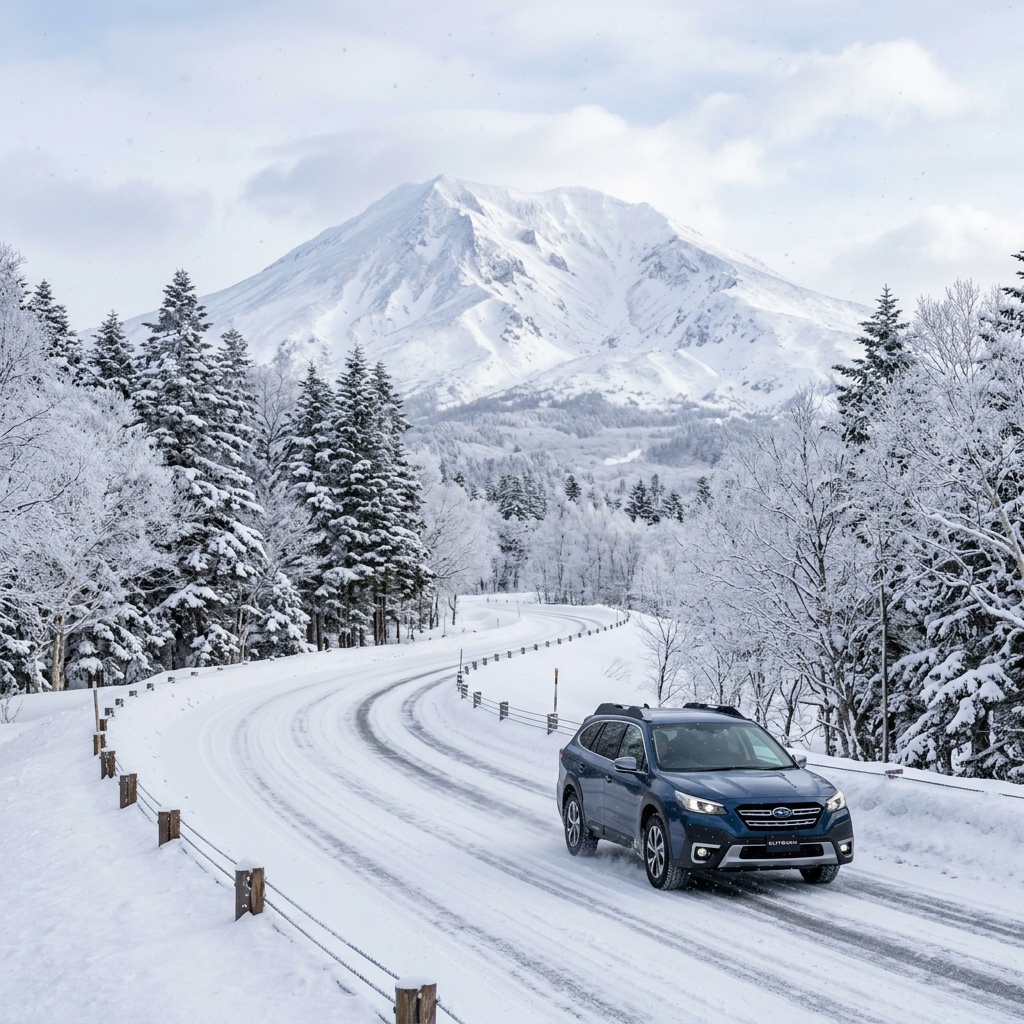
| Winter Black Ice | From December to March, the elevation causes temperatures to plummet below freezing at night. If you rent a car from Tokyo in winter, you MUST request studless winter tires (スタッドレスタイヤ). Standard tires will send you sliding off the mountain roads. |
4. The Best Drive-To Viewpoints
Having a rental car allows you to reach stunning photography spots that are difficult to access by bus:
- Oishi Park (North shore of Kawaguchiko): Famous for lavender fields in summer and kochia bushes in autumn, with Fuji in the background. Free parking available.
- Lake Shojiko: The smallest of the five lakes, located further west. It is incredibly quiet, free of tour buses, and offers a beautiful, symmetrical view of Fuji reflected in the still water.
- Arakurayama Sengen Park (Chureito Pagoda): You can drive directly to the base parking lot, avoiding the long walk from the train station, though you still have to climb the 398 steps to the pagoda.
Your Fuji Road Trip Starts with the Right Paperwork
Don't let a documentation error ruin your bucket-list drive to Mount Fuji. If your driver's license is from Switzerland, Germany, France, Taiwan, Belgium, or Monaco, you cannot use an International Driving Permit. You MUST hold an official Japanese translation, such as the one issued by JAF.
Order Your Japanese Translation Here