Driving in Japan opens up a world of possibilities — scenic mountain roads, rural hot spring towns, and coastal routes that you simply cannot reach by train. But navigating the rules as a foreigner can feel confusing. This guide covers everything you need to drive legally and safely in Japan.
Do You Need a Special License to Drive in Japan?
Japan does not accept International Driving Permits (IDPs) issued by most countries. Instead, the Japan Automobile Federation (JAF) requires an official Japanese translation of your home country driver's license.
Countries whose licenses require a JAF translation include: Switzerland, Germany, France, Belgium, Monaco, and Taiwan (among others). Visitors from these countries must obtain the translation before driving in Japan.
What Is a JAF Translation?
A JAF translation is an official document that converts your foreign driver's license into a format recognized by Japanese authorities and car rental companies. It is not a new license — it is a certified translation that you carry alongside your original license.
You can apply for a JAF translation online through services like JDLTC, which processes your application and delivers the certified document digitally.
Japan Road Rules You Must Know
- Drive on the left side of the road. This is the most important adjustment for visitors from countries that drive on the right.
- Speed limits: 60 km/h on regular roads, 100 km/h on expressways (unless posted otherwise).
- Zero tolerance for alcohol. Japan has a strict 0.03% BAC limit — effectively zero. Do not drink and drive.
- Mobile phones are strictly prohibited while driving, even at red lights.
- Seatbelts are mandatory for all passengers, including rear seats.
Renting a Car in Japan
Most car rental companies in Japan (Toyota Rent a Car, Times Car, Nippon Rent-A-Car, etc.) will ask you to present your JAF translation alongside your original foreign license. Without it, they may legally refuse to rent you a vehicle.
Book your rental in advance, especially during peak seasons (Golden Week in late April/early May, Obon in August, and autumn foliage season in October–November).
Toll Roads and ETC Cards
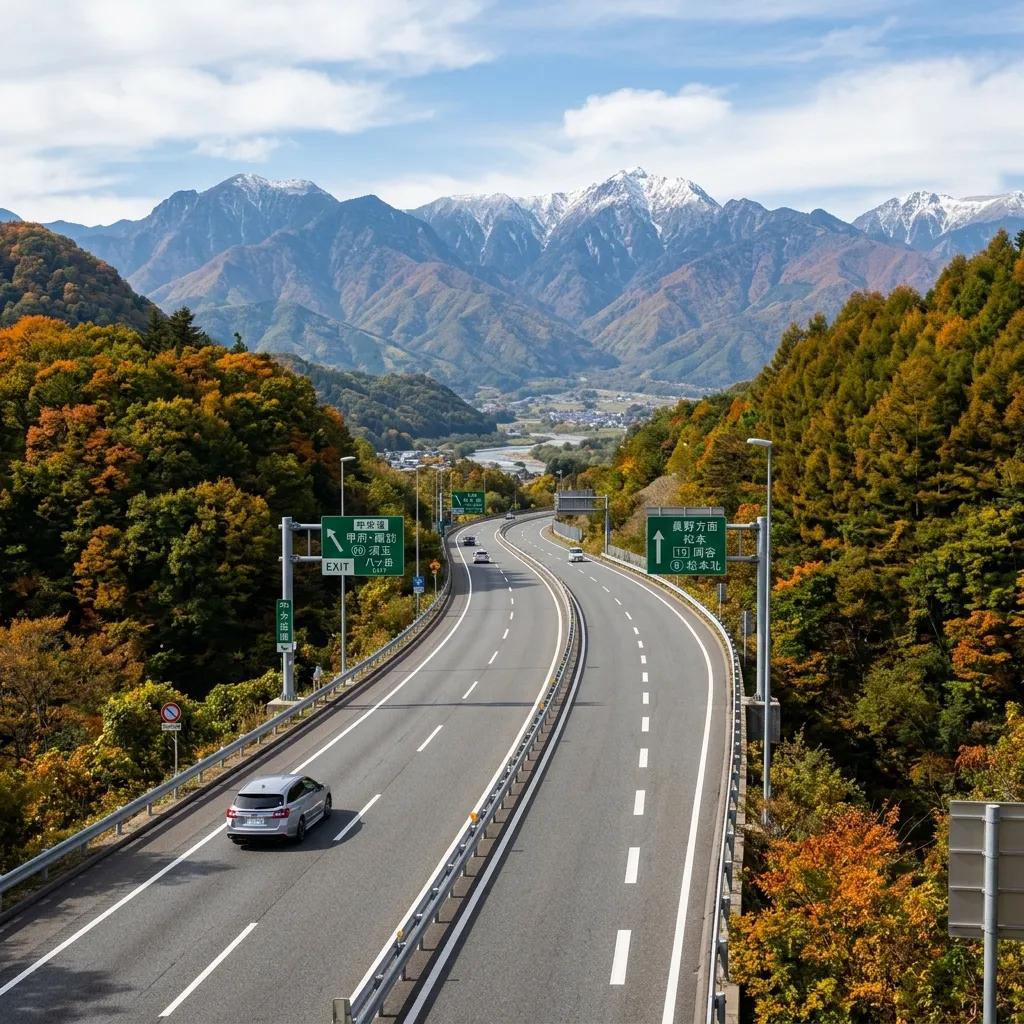
Japan has an extensive expressway network. Most tolls are paid electronically via an ETC card, which you can request from your rental company for a small daily fee. Carrying some cash is still recommended for smaller rural toll roads.
Navigation Tips
Japanese GPS units in rental cars often have English-language options. Alternatively, Google Maps works excellently in Japan and provides real-time traffic data. Download offline maps for rural areas where connectivity may be limited.
Get Your JAF Translation Today
Applying for your JAF-compliant license translation is fast and fully online. JDLTC processes applications from Switzerland, Germany, France, Belgium, Monaco, and Taiwan — with delivery in 2–5 business days.