While Japan's trains and subways cover metropolitan areas excellently, renting a car is essential to experience Japan’s rugged coastlines, mountain hot springs (Onsen), and scenic routes such as Hokkaido's flower roads or the Shimanami Kaido. However, Japan has strict laws regarding foreign driving credentials. This guide outlines everything you need to legally and safely navigate Japanese roads.
1. Legal Requirements: Can You Drive in Japan?
To drive legally in Japan as a temporary visitor, you must possess one of the following three options, along with your passport:
The full process — what the document is, who issues it, and how to arrange one before you fly — is covered in our JAF translation guide.
Option A: International Driving Permit (IDP) — 1949 Geneva Convention ONLY
If your license is from the USA, Canada, UK, Australia, New Zealand, Singapore, or most other nations, you must obtain a standard International Driving Permit (IDP) from your home country before departure.
Option B: Foreign License + Official Japanese Translation
If your driver's license was issued in one of the following six countries/regions, Japan does not recognize their standard IDPs. Switzerland, Germany, and Taiwan are not parties to the 1949 Geneva Convention; France, Belgium, and Monaco are Geneva Convention parties but now issue their IDPs under the newer 1968 Vienna Convention format instead, which Japan does not accept. Instead, you must carry your original national driver's license paired with an **official Japanese translation**:
| Country / Region | Document Required alongside Original License |
|---|---|
| 🇨🇭 Switzerland | Official Japanese Translation |
| 🇩🇪 Germany | Official Japanese Translation (Führerschein-Übersetzung) |
| 🇫🇷 France | Official Japanese Translation (Traduction officielle) |
| 🇧🇪 Belgium | Official Japanese Translation (Official Translation) |
| 🇲🇨 Monaco | Official Japanese Translation |
| 🇹🇼 Taiwan | Official Japanese Translation (日文譯本) |
Option C: A Japanese Driver's License
Mainly for long-term residents. Visitors staying in Japan for more than a year must convert their foreign license to a Japanese one through the "Gaimen Kirikae" exchange process at a local licensing center.
2. The Rules of License Validity & Re-entry
Understanding the exact legal duration of your foreign credentials is vital to avoid severe legal penalties for driving without a license (無免許運転 - Mumenkyo Unten).
- The 1-Year Rule: Your IDP or official Japanese translation is valid for driving in Japan for up to one year from your landing date in Japan, or the expiration date of your home country's license, whichever is shorter.
- The 3-Month Re-entry Rule (residents only): This applies to people on Japan's resident register. If they leave Japan and come back within three months, the return does not start a new one-year period. For visitors who are not registered as residents, each new landing in Japan starts a new year (National Police Agency; JAF).
- Paper Original Rule: When renting a car and driving, you must carry the physical original foreign license card and the paper original of the official translation together. If you get JAF's translation through us, we email you a PDF to book your car before you fly and deliver JAF's paper original to your hotel or rental counter in Japan (+€10 / CHF 10 / NT$350), from the day after your translation is ready.
3. Critical Japanese Traffic Rules You Must Know
Japanese road safety is heavily enforced. Familiarize yourself with these unique laws before sitting behind the wheel:
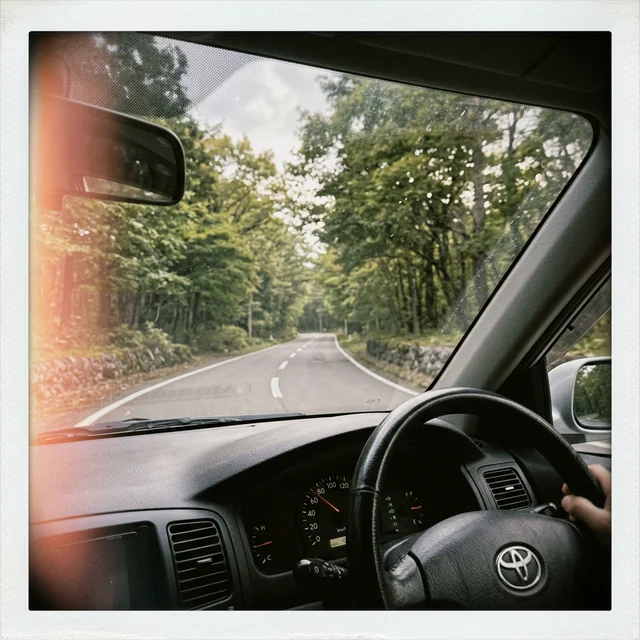
🚗 Drive on the Left
Japan drives on the left side of the road. The driver's seat and steering wheel are on the right side of the vehicle. Take extra care at intersections and when turning onto multi-lane roads.
🛑 Stop Sign (止まれ - Tomare)
Unlike the octagonal stop signs used in most of the world, Japan’s stop sign is a **red inverted triangle** with the word 止まれ (Tomare). Newer signs also include the English word "STOP" beneath it. You must bring your vehicle to a complete stop before the stop line, not just slow down.
🚂 Complete Stop at Railway Crossings (踏切)
By Japanese law, you must bring your vehicle to a **complete stop** before the stop line at every railway crossing. You must look left and right, listen for trains (opening your window slightly to hear is the official recommendation), and verify the space ahead is clear before crossing. This rule applies even if the crossing barrier is up and no lights are flashing.
🔴 No Turns on Red Lights
Turning left (or right) on a red light is **strictly illegal** in Japan, unless there is a green arrow signal pointing in the direction you want to turn. You must wait for the light to turn green.
🍺 Zero-Tolerance Alcohol Policy (0.00% BAC)
Japan has an absolute zero-tolerance policy for drinking and driving. The legal limit is effectively 0.00% blood alcohol concentration. If you drink even a single sip of alcohol, do not drive. Furthermore, under Japanese penal code, **passengers in the car and the establishment/person who served the alcohol** can also face severe prison sentences or heavy fines for abetting a drunk driver.
📱 Mobile Phones & Distracted Driving
Holding a mobile phone, looking at a screen, or operating a car navigation system while driving (including while stopped at traffic lights) is strictly prohibited. Use hands-free setups, or pull over to a safe area before using your phone.
👶 Child Seats & Seatbelts
Seatbelts are mandatory for all passengers in the vehicle, including those in the rear seats. Children **under 6 years old** must be secured in a legally compliant child safety seat.
4. Toll Roads, Speed Limits, & Parking
🛣 Toll Expressways & ETC Cards
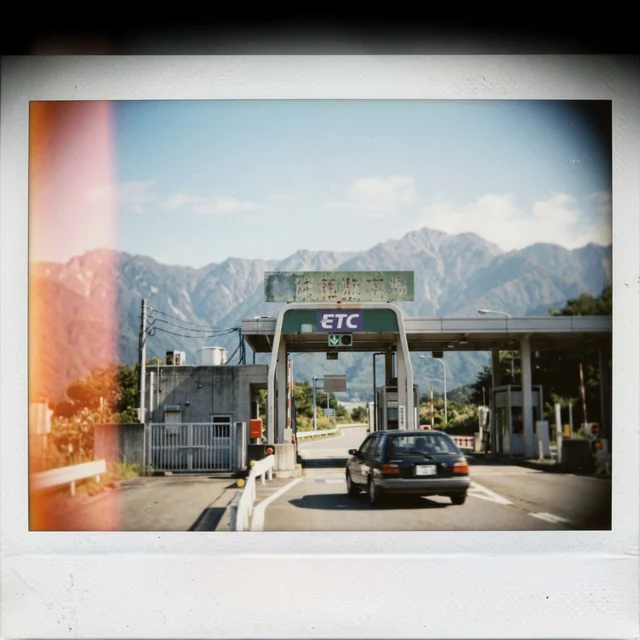
Japan’s expressways are highly developed but charge tolls based on distance. Most rental cars are equipped with an ETC (Electronic Toll Collection) card reader. When renting your car, ask the agency to rent you an ETC card. This allows you to pass through the purple ETC gates without stopping to pay cash, and you settle the toll balance with the rental agency when you return the vehicle.
⚡️ Speed Limits
- Urban / Residential areas: 30 to 40 km/h
- National / General roads: 50 to 60 km/h
- Expressways: 80 to 100 km/h (some modern expressway sections allow up to 120 km/h)
🅿️ Parking Rules
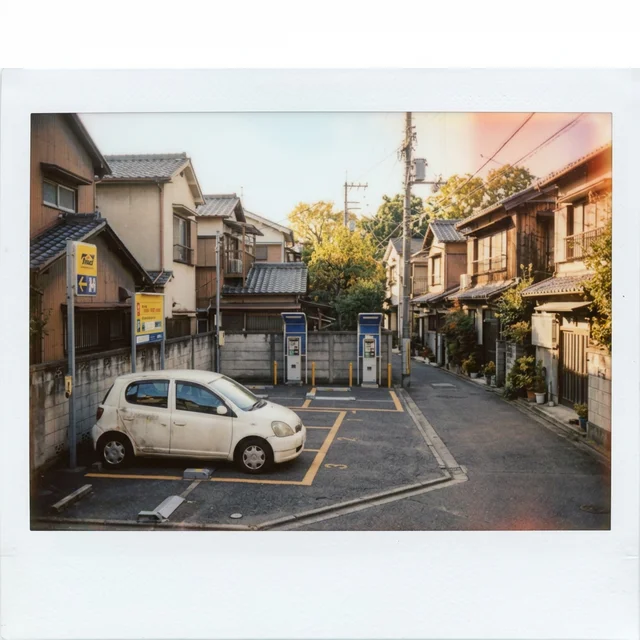
On-street parking is generally illegal in Japan. Always park in designated parking spaces. In cities, look for **Coin Parking (コインパーキング)** lots. These are automated small parking lots where a metal barrier rises under your car, and you pay at a machine before exiting.
5. Emergencies & Roadside Assistance
In the event of an accident or vehicle breakdown, use the following resources:
- Police emergency line: Dial 110 (Free from any phone)
- Ambulance / Fire emergency line: Dial 119 (Free from any phone)
- Roadside breakdown (JAF): Dial #8139 or 0570-00-8139. JAF provides 24/7 roadside assistance across Japan with English support.
6. Best Regions to Explore by Car
Driving unlocks parts of Japan that are inaccessible by train:
- Hokkaido — Famous for wide, scenic roads, purple lavender fields in Furano, and natural national parks in Shiretoko.
- Kyushu — Volcano routes around Mount Aso, historic streets in Nagasaki, hot springs in Beppu, and the mystical Takachiho Gorge.
- Tohoku — Scenic drives around Oirase Gorge and Lake Towada. Ideal for viewing autumn leaves and remote hot springs.
- Shikoku — Rugged coastlines, Iya Valley's vine bridges, and scenic drives across the Seto Inland Sea bridges.
7. Frequently Asked Questions
Q: Can I use an International Driving Permit (IDP) from Switzerland, Germany, France, Belgium, Monaco, or Taiwan?
A: No. Switzerland, Germany, and Taiwan are not parties to the 1949 Geneva Convention. France, Belgium, and Monaco are Geneva Convention parties, but now issue their IDPs under the newer 1968 Vienna Convention format instead — which Japan, a Geneva-only signatory, does not accept. Drivers with licenses from these countries must carry their original national license along with an official Japanese translation.
Q: Can I show a PDF copy of my translation on my phone at the rental counter?
A: The PDF is for booking your car before you fly. At the counter, show JAF's paper original of the translation together with your license; we deliver it to your hotel or rental counter in Japan (+€10 / CHF 10 / NT$350), from the day after your translation is ready.
Q: What happens if I drive in Japan without a valid translation or IDP?
A: It is treated as driving without a license. Penalties are severe and can include fines of up to ¥500,000, deportation, and a ban from re-entering Japan.
Need an Official Translation?
Through us, you can get JAF's official translation for Swiss, German, French, Belgian, Monégasque, and Taiwanese licenses. Apply before your trip and travel with peace of mind.
Apply Online Now →